
Building Green
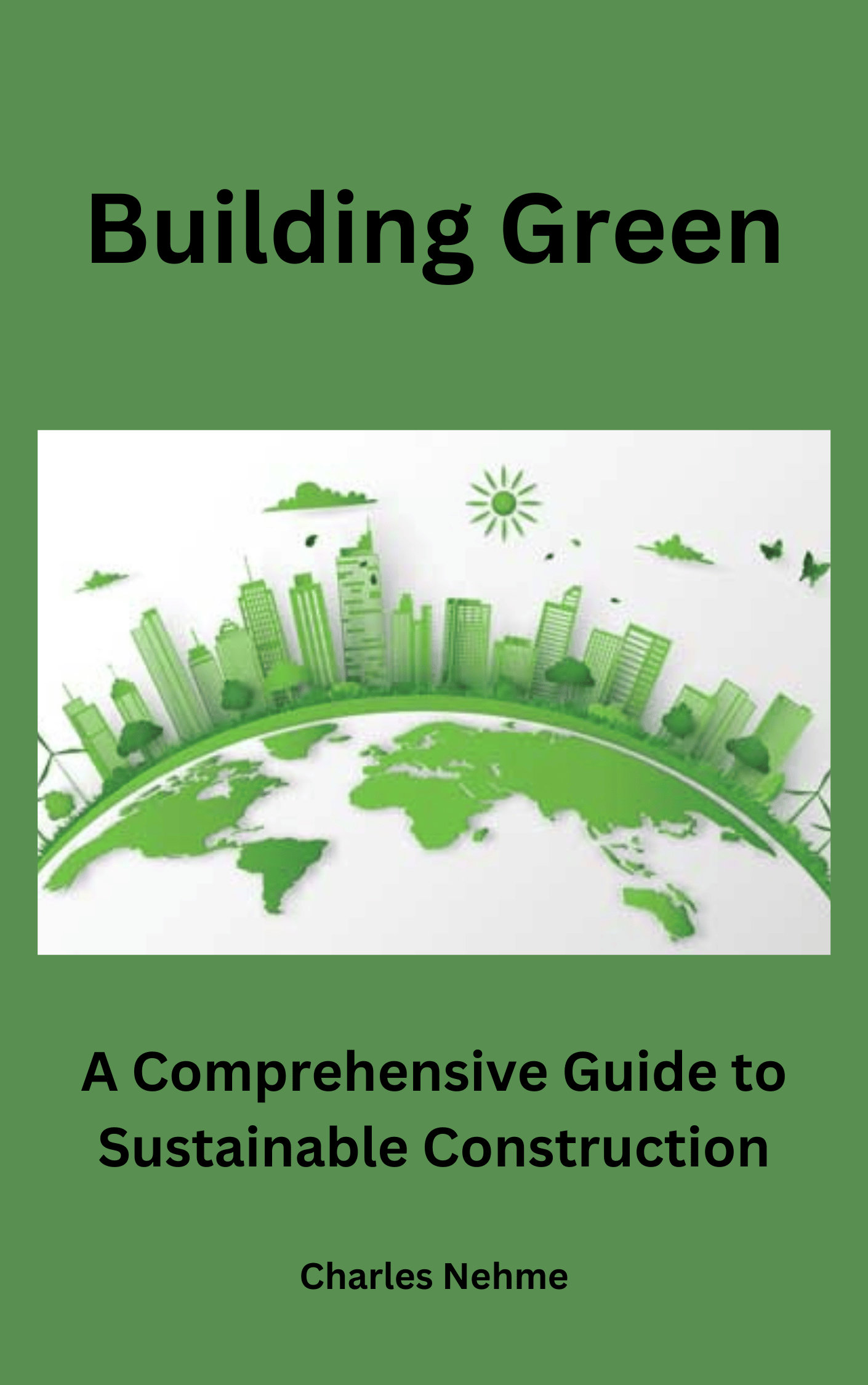
In the face of unprecedented environmental challenges and a growing global population, the imperative to embrace sustainable practices has never been more pressing. The construction industry, a significant contributor to environmental degradation, stands at the forefront of this transformation. This book, "Building Green: A Comprehensive Guide to Sustainable Construction," embarks on a journey into the intricate realm of green building, illuminating the principles, practices, and profound impact of environmentally conscious construction.
The Need for Sustainable Construction
The world is witnessing rapid urbanization, leading to increased demand for buildings and infrastructure. However, this growth often comes at the cost of natural resources, energy consumption, and environmental pollution. Sustainable construction offers a paradigm shift—a way to meet the growing needs of society while minimizing ecological harm. By integrating energy efficiency, responsible material choices, and innovative design, green building practices pave the way for a more sustainable future.
Navigating the Chapters
This book is structured as a comprehensive guide, delving into various facets of green building practices. Each chapter explores a specific aspect of sustainable construction, from energy-efficient designs and water conservation strategies to green certifications and the role of communities. Through in-depth analysis, real-world case studies, and practical insights, readers will gain a profound understanding of the principles that underpin green building.
Target Audience
"Building Green" is tailored for a diverse readership. Architects, engineers, builders, and construction professionals will find detailed technical insights, while students and educators can access a wealth of knowledge about sustainable construction practices. Additionally, policymakers, environmentalists, and anyone passionate about creating a more sustainable world will discover valuable information and inspiration within these pages.
Our Collective Responsibility
The urgency of addressing climate change and preserving our natural resources is a shared responsibility. By equipping ourselves with the knowledge and tools presented in this book, we empower ourselves to make informed decisions and contribute meaningfully to the green building movement. Together, we can transform the way we build, ensuring that our constructions harmonize with nature, promote societal well-being, and leave a positive legacy for generations to come.
Welcome to a journey of discovery and transformation. Let us embark on this exploration of sustainable construction practices, inspired by the vision of a greener, healthier, and more sustainable tomorrow.
*With environmental consciousness and shared commitment,*
Charles Nehme
Q&A
10 Q&A about green building
1. What is green building?
Green building is the practice of designing and constructing buildings in a way that minimizes their environmental impact and maximizes their efficiency. Green buildings use less energy and water, produce less waste, and provide healthier and more comfortable living and working spaces.
2. What are the benefits of green building?
Green building has many benefits, including:
- Reduced environmental impact: Green buildings help to reduce greenhouse gas emissions, water pollution, and air pollution.
- Improved occupant health and well-being: Green buildings provide better indoor air quality, thermal comfort, and access to natural light.
- Reduced operating costs: Green buildings use less energy and water, which can save building owners and operators money on utility bills.
- Increased property value: Green buildings are often more valuable than conventional buildings, due to their lower operating costs and environmental benefits.
3. What are some examples of green building features?
Some examples of green building features include:
- Energy-efficient appliances and lighting
- Water-saving fixtures
- Renewable energy sources, such as solar panels and wind turbines
- Sustainable building materials, such as recycled steel and FSC-certified wood
- Green roofs and rainwater harvesting systems
- Natural ventilation and daylighting
- High-performance insulation
4. How can I incorporate green building concepts into my home?
There are many ways to incorporate green building concepts into your home, even if you are on a budget. Some simple things you can do include:
- Weatherize your home to reduce energy loss
- Install energy-efficient appliances and lighting
- Fix any leaky faucets or pipes
- Take shorter showers
- Unplug electronics when you are not using them
- Plant trees around your home to provide shade and reduce cooling costs
- Recycle and compost
5. Are there any government incentives for green building?
Yes, there are many government incentives available for green building, both for commercial and residential projects. These incentives can include tax breaks, rebates, and grants. To learn more about government incentives for green building in your area, visit the website of the U.S. Department of Energy.
6. What are some green building certifications?
There are several green building certifications available, such as LEED (Leadership in Energy and Environmental Design) and WELL Building Standard. These certifications provide a framework for designing, constructing, and operating green buildings.
7. Are green buildings more expensive to build than conventional buildings?
The upfront cost of building a green building may be slightly higher than the cost of building a conventional building. However, green buildings can save building owners and operators money on utility bills over time. Additionally, green buildings often have higher resale values than conventional buildings.
8. What are some common misconceptions about green building?
One common misconception about green building is that it is too expensive. However, as mentioned above, green buildings can save building owners and operators money on utility bills over time. Additionally, there are many government incentives available to help offset the upfront cost of green building.
Another common misconception is that green buildings are not as comfortable or functional as conventional buildings. However, green buildings are designed to be just as comfortable and functional as conventional buildings, if not more so. In fact, many studies have shown that green buildings can improve occupant health and well-being.
9. What are some challenges of green building?
One challenge of green building is that it requires a collaborative approach from all stakeholders, including architects, engineers, contractors, and building owners. Another challenge is that green building materials and technologies can be more expensive than conventional materials and technologies. However, the cost of green building materials and technologies is decreasing as they become more widely adopted.
10. What is the future of green building?
The future of green building is bright. As the need to reduce our environmental impact becomes more pressing, green building is becoming increasingly important. Green building is also becoming more affordable and accessible, as the cost of green building materials and technologies decreases.
We can expect to see more and more green buildings being constructed in the future, both commercially and residentially. Green building is essential for creating a more sustainable future.